As a renegade priest, a mariachi family, and cultural leaders fight to protect their community, Mexican families in New York City turn art, faith, and organizing into tequitl—a sacred duty to stand for one another.
TEQUITL
[teh-keetl] - noun
Duty; communal labor. 2. The deeply ingrained indigenous tradition of working for the survival and benefit of the community.
Featured In
About Our Film
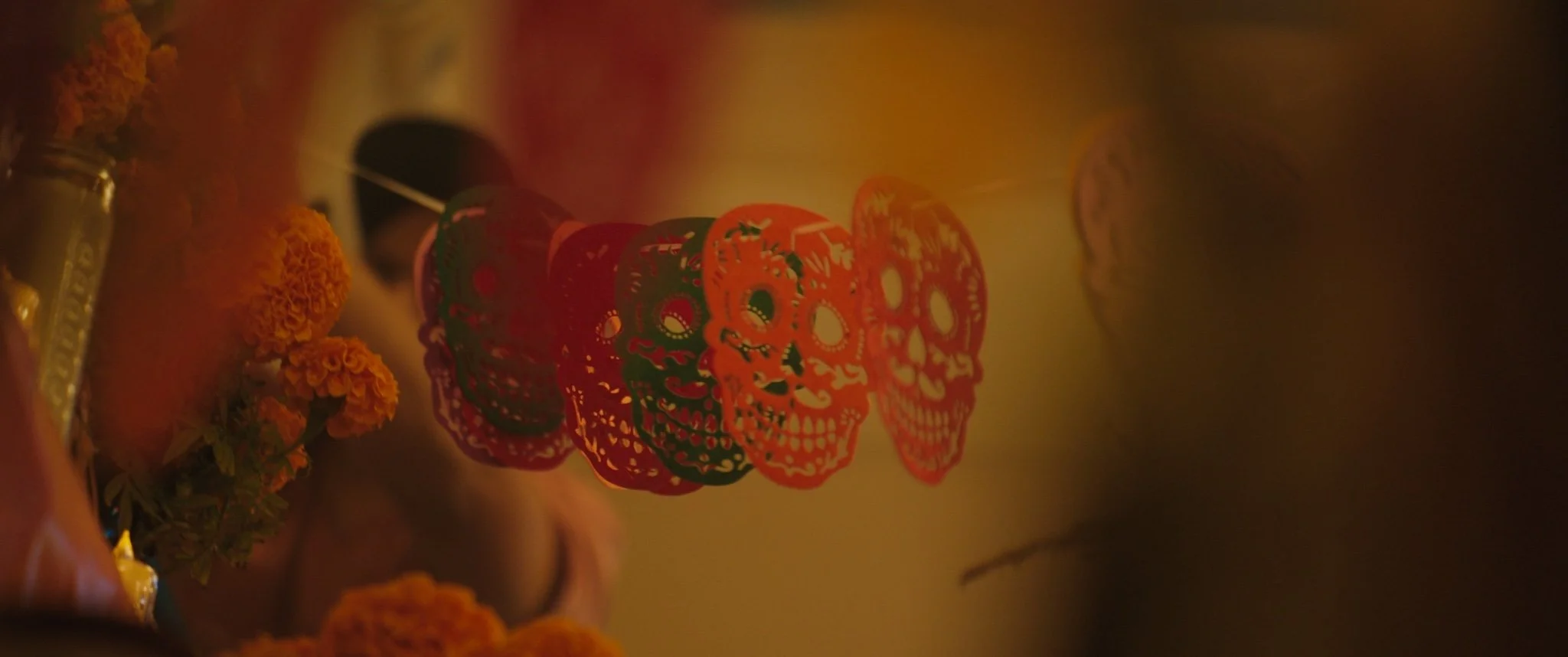
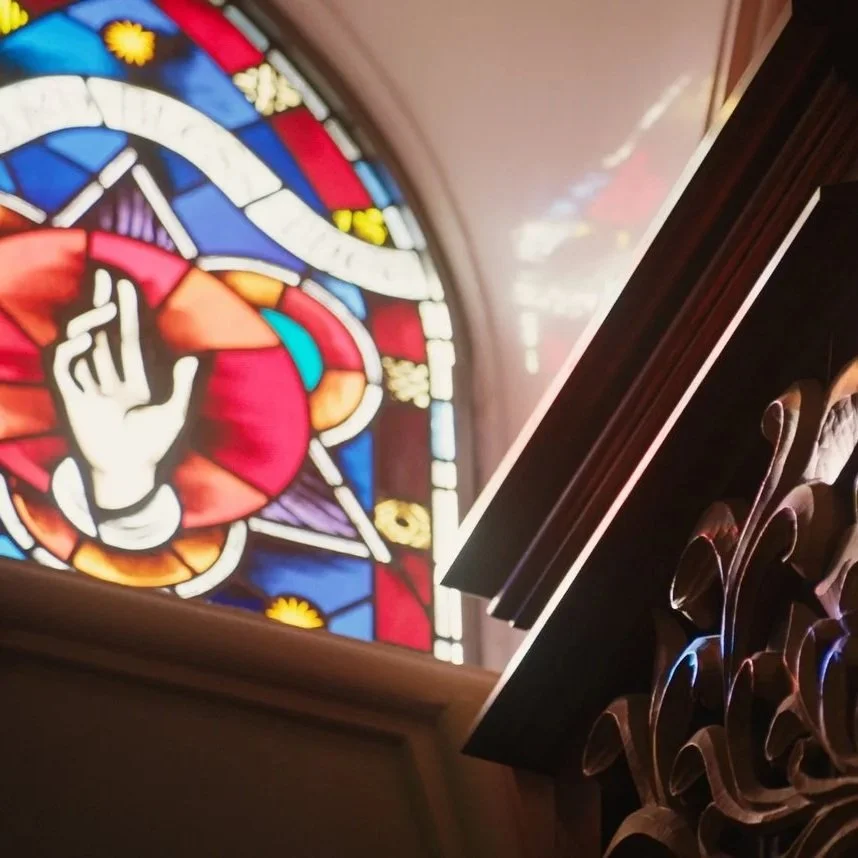
Tequitl (teh-KEETL): A Sacred Duty, directed and co-produced by Cristy Trabadass, follows Mexican families in New York City who transform their art, faith, and daily lives into a profound act of resistance. Anchored by the 3,000-year-old tradition of Día de Muertos, the film explores tequitl—a sacred, deeply rooted obligation to care for one's community. For these subjects, using their God-given gifts to stand up for justice is not just an action; it is their entire way of life.
The documentary weaves together the lives of frontline advocates fighting a relentless immigration system. In Brooklyn, "renegade priest" Father Juan Carlos Ruiz risks his freedom alongside rapid response networks that have successfully extracted eight families from ICE detention since early 2026. Simultaneously, cultural leaders like Blandie Medina, director of Ballet Folclórico Hispano Guadalupano, and the mariachi students of AMNA use music and movement to preserve their heritage, proving that joy and cultural pride are essential shields for a vulnerable community.
This daily fight becomes intimately personal for the Ponce family, a multi-generational mariachi dynasty. The younger generation, Mariachi Reyes, leverage their growing social media presence to speak out against injustice. But when their aunt Guillermina’s partner is suddenly detained by ICE, the crisis shatters their home life, forcing their digital activism to collide with a devastating reality. Together, these stories embody tequitl not as a heroic anomaly, but as the everyday grit required to protect a community.
Meet the Crew
-
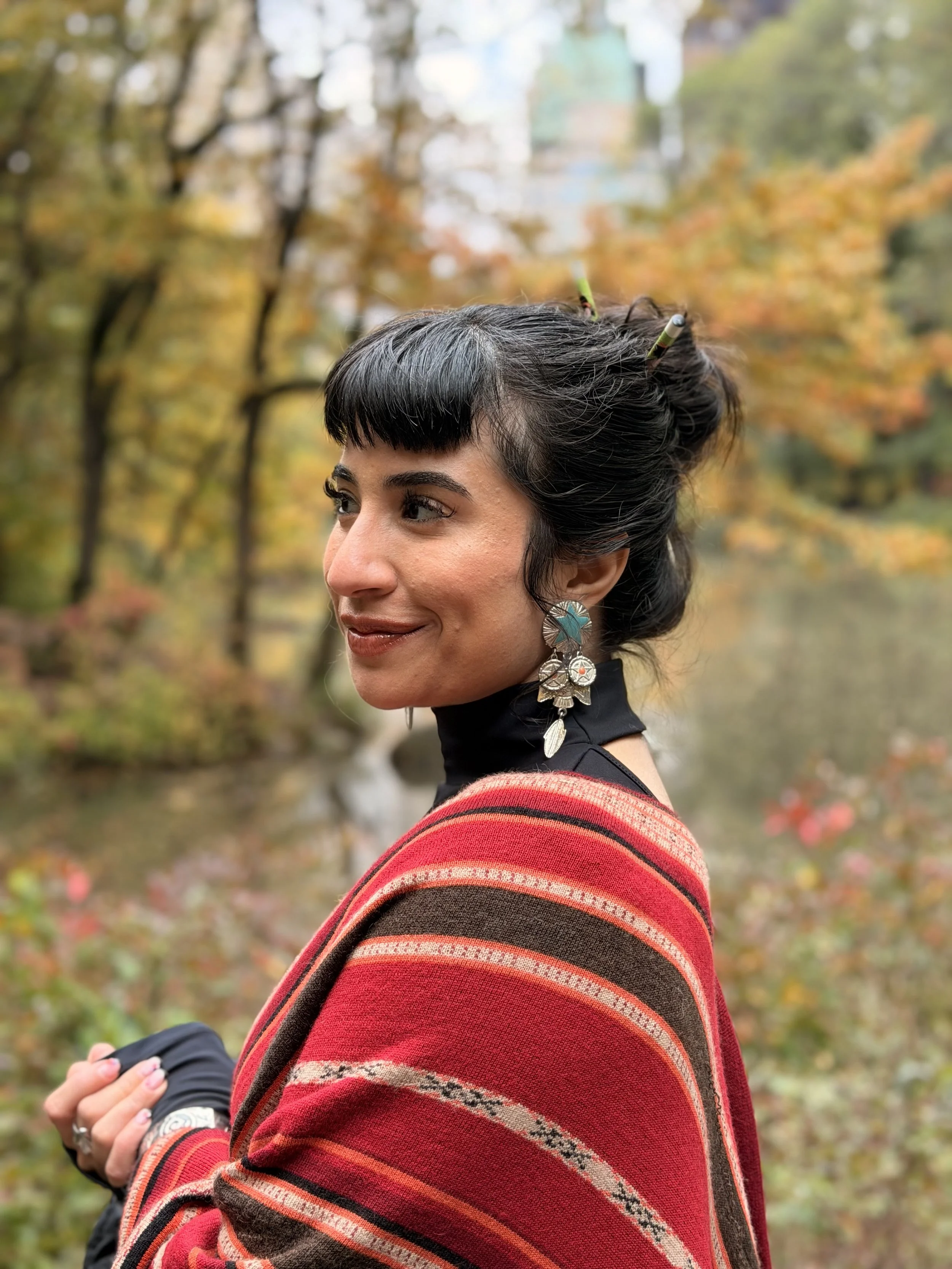
![A woman with black hair and bangs, wearing large turquoise and silver earrings, a black turtleneck, and a red, orange, and brown striped shawl, standing outdoors with autumn trees and a body of water in the background.]()
Cristy Trabadass
DIRECTOR
CRISTY TRABADASS is an award-winning writer, director, producer, and entrepreneur with eight years of experience in narrative, documentary, and episodic filmmaking. She is the owner and co-founder of three South Florida production companies—Trabadass Productions, Smoke Stacks Studios, and Jumped Who Productions—where she develops and produces film, television, and commercial projects. A graduate of Florida State University’s College of Motion Picture Arts, she is an alumna of the Sundance Ignite x Adobe Fellowship 2020 and the Sundance Institute Short Film Intensive,. In 2016, she was recognized as a YoungArts Winner in Cinematic Arts. Her work spans independent features, television, and music videos, with credits including the narrative feature “Savage Lands” (2025, post-production), executive produced by Snoop Dogg and Lenny Santiago; the narrative feature “Mobking” (2023). She has collaborated with HBO, Rolling Loud, and Strange Music, cementing her reputation as a bold and versatile filmmaker. Her work is available on Apple TV+, Amazon Prime, HBO Max, and Tubi. -
![Woman with voluminous curly blonde hair wearing a black leather jacket and a large cross necklace, standing outdoors with green foliage in the background.]()
LAPACAZO MAGRIRA SANDOVAL
PRODUCER
Afro-Latina creative and media professional Lapacazo Magrira Sandoval began her career at New York’s historic La MaMa ETC, producing the multimedia theatrical presentation of Roger Guenveur Smith’s “Frederick Douglass Now.” She went on to work in marketing and public relations at the Brooklyn Academy of Music, help launch an early branding campaign for John Leguizamo, and serve as a unit publicist (IATSE Local 600) on films with acclaimed directors, producers, and Oscar-winning actors. Lapacazo Later transitioned into entertainment journalism, writing for outlets including Essence.com, AmNews Curtain Raiser, The New York Amsterdam News, and the Los Angeles Sentinel, and as a children’s book author and playwright, she created Taking the E Train and Everybody Loves Cake with KaZoom Kids Books, works that were adapted for the stage at Harlem School of the Arts.
-
![Filmmakers setting up camera equipment in a jungle with green foliage, while a woman with red hair and a hooded jacket and another woman with a sun hat observe.]()
ROB BEVIS
DIRECTOR OF PHOTOGRAPHY
Robert W. Bevis is a New York–based director of photography whose work blends expressionistic visuals with emotional, character-driven storytelling. Raised in rural south Georgia among decaying tobacco barns, bass ponds, and his mother’s watercolor paintings, he shot his first films on mini DV before studying film and moving to New York. His early industry work as first assistant camera on the Florida-set indie horror- romance “After Midnight” led to years as a lighting technician and gaffer, before he shifted full-time into cinematography. Bevis has shot films that premiered at the Sundance Film Festival, including “Didn’t Think I’d See You Here” (2024) and “Weapons and Their Names” (2023), with additional projects screening at festivals such as Palm Springs, Miami, Outfest, Indie Memphis, and Bend. Most recently, he wrapped principal photography on the feature “Deepfake” (written and directed by Matt Eames), a Panavision NFP Grant recipient slated for release in 2025.
-
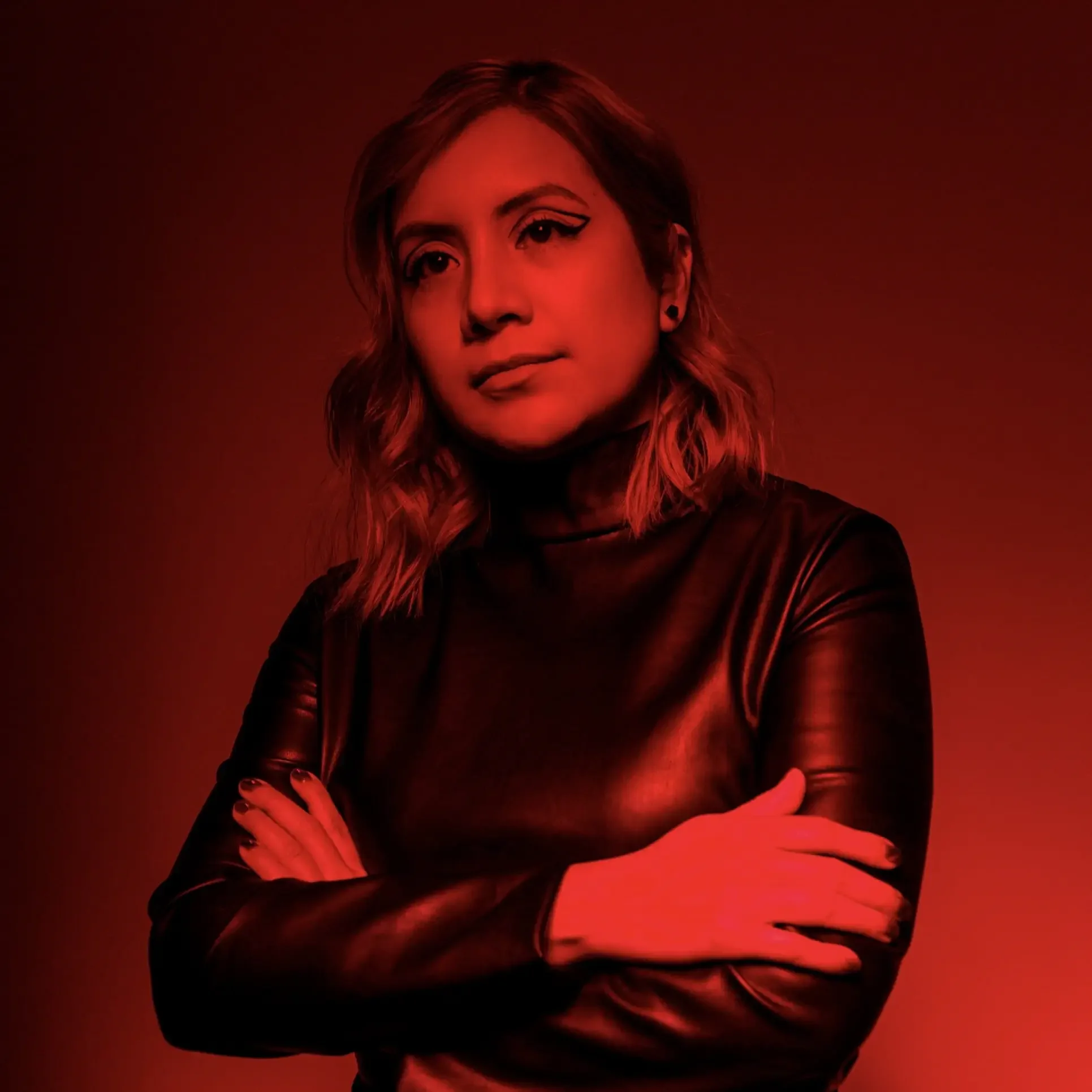
![A woman with shoulder-length wavy hair, in a black leather top, looking at the camera with her arms crossed, illuminated by red lighting.]()
DENISSE OJEDA
COMPOSER/MUSIC SUPERVISOR
Denisse Ojeda is a Mexican-American composer and artist for visual media, working between Mexico City and Los Angeles. Her distinctive sound blends electronic, experimental, and orchestral elements into dark, ambient textures that add emotional depth to picture. A Berklee College of Music graduate with degrees in Film Scoring and Bass Performance, she began her career in trailers and advertising, contributing to campaigns for brands and series including “The Wilds” (Season 2), “Jack Ryan” (Season 2), HBO’s “The Undoing,” and Sofia Coppola’s “Priscilla.” She has since expanded into film and television, scoring projects such as the Paramount+ documentary “The Carters Hurts to Love You,” the upcoming Smithsonian Channel documentary “Aerial Mexico,” the Sundance award-winning documentary “Bad Press,” and the feature “Departing Seniors,” which premiered at FrightFest in 2023. Her music is also heard widely on television, with placements in shows like “Entertainment Tonight,” “The Daily Show,” “48 Hours,” “CBS Mornings,” and “The Late Show with Stephen Colbert.”
-
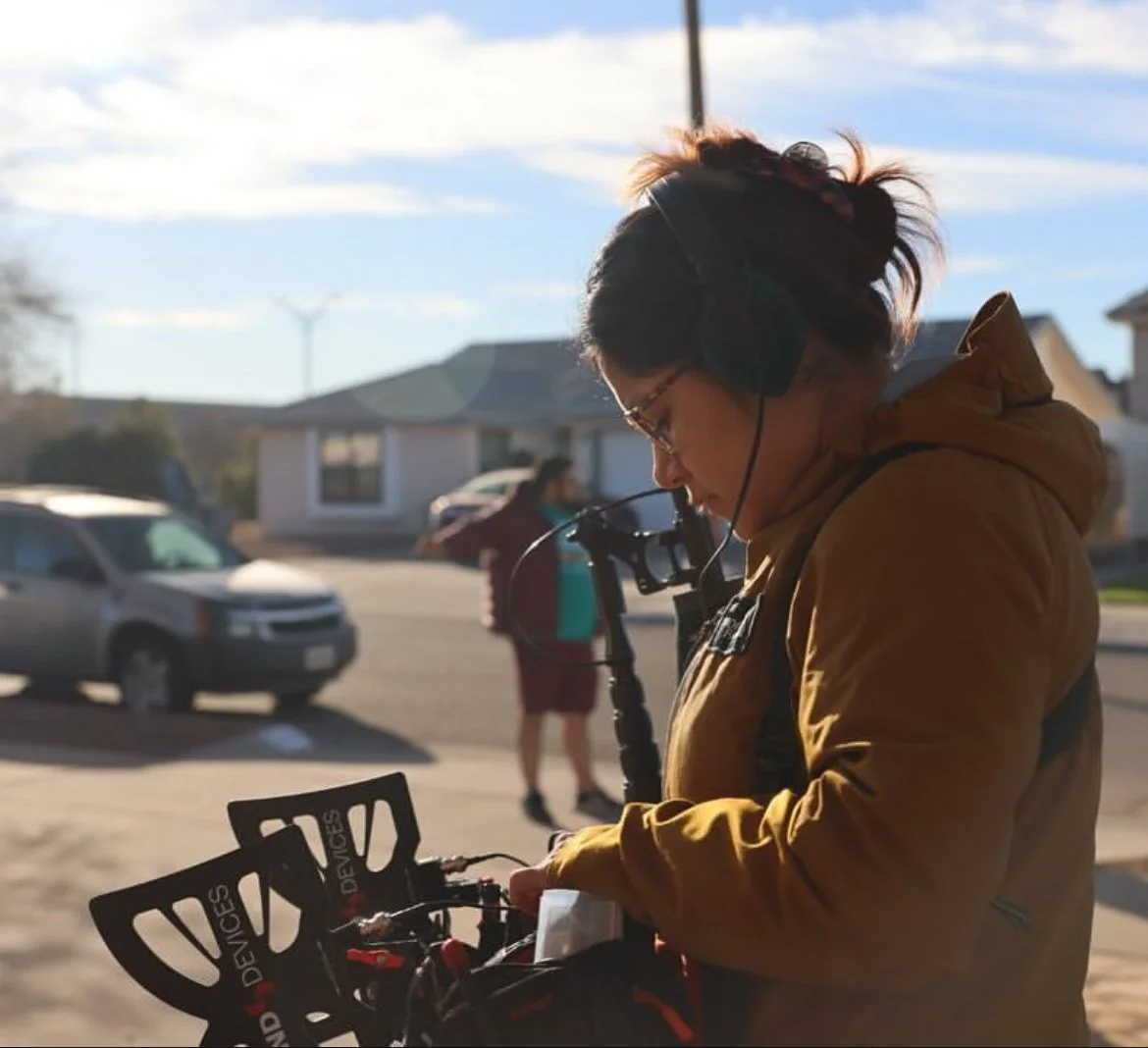
![A person with glasses and headphones, wearing a brown jacket, is looking down at a bicycle in a suburban neighborhood during daytime.]()
VERALUCIA QUISPE CHIRINOS
SOUND
Veralucia Quispe , an indigenous Peruvian, migrated to New York at the age of six, where her passion for film ignited at LMC-TV, inspiring her to earn a BFA from CCNY. Over the years, she has built sound mixing expertise across narrative features, documentaries, music videos, and installations. Her work has premiered at Sundance, SXSW, Tribeca, and TIFF, with projects streaming on major platforms. Now expanding her vision beyond sound, Veralucia has launched Three Petals, a production company driven by her deep love for storytelling and commitment to amplifying overlooked voices in film.
-
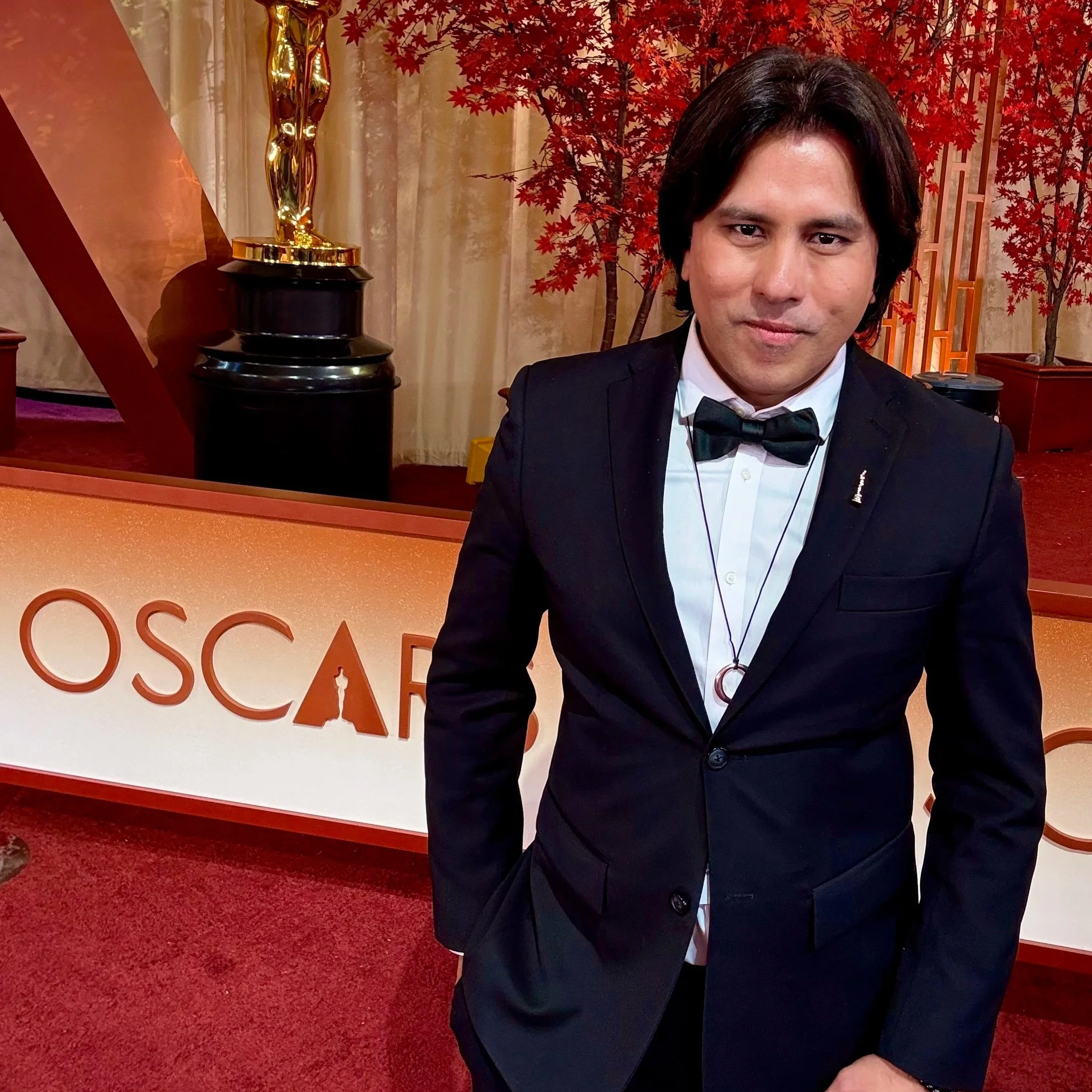
![A man in a tuxedo with a bow tie at an awards event, standing in front of a sign with the Oscar logo and a decorative background with a red tree sculpture and an Oscar statue.]()
SUNIL SADARANGANI
PRODUCER
Sunil Sadarangani is a Los Angeles–based producer and media strategist with over 15 years of experience supporting independent films and documentaries across production, festivals, publicity, and international markets. His work bridges creative execution and strategic visibility, helping projects move from development to audiences worldwide. He has produced and supported award-winning and Oscar-qualified projects and has participated in major international markets, including the Berlinale European Film Market and Cannes Marché du Film. Drawing on his background as an entertainment journalist and festival programmer, Sunil also leads media and awards campaigns for independent films. A co-founder of the Ojai Short Film Festival, he has served on programming committees for the Indian Film Festival of Los Angeles and Outfest, and on juries for the LA Greek Film Festival and Poppy Jasper International Film Festival (Asia). He is committed to amplifying global and underrepresented voices through film and cultural storytelling.
-
![A man smiling outdoors, wearing a pink shirt, dark vest, and tie, with trees and a brick building in the background.]()
RAHUL TIWARI (ART SHIRAN)
EXECUTIVE PRODUCER
Art Shiran is an IT executive, filmmaker, writer, actor, and storyteller based in New York. With over two decades of experience leading digital transformation across industries like finance, hospitality, telecom, insurance, and e-commerce, he has held senior roles in software engineering, product management, and global delivery, and co-founded ventures in e-commerce and entertainment. As a filmmaker and media creator, his award-winning short “Kachrewala: Five Cents Each” and directorial debut “Time Travel to 2020” reflect his commitment to bold, socially resonant stories across genres. A SAG-AFTRA actor, he has appeared in film, television, Off-Broadway theater, and the cult feature “Werewolf Ninja Philosopher.” Through ArtApproved Productions, his teaching at Artistic Heights Academy, and the “ArtApproved!” podcast, Rahul champions inclusive storytelling and emerging voices, drawing on a multicultural life and fluency in English, Hindi, and other South Asian languages. -
![A man with dark hair and a beard, wearing a black suit, sitting in front of a bookshelf filled with books and decorative items.]()
JESUS HUIDOBRO
EDITOR
Jesus Huidobro is a Mexican editor whose work spans narrative and documentary projects in Mexico and the United States. He has cut series and feature-length projects for major platforms and independent filmmakers, focusing on character-driven stories and multi-strand structures. On “Tequitl (teh-KEETL): A Sacred Duty” he is shaping verité and interview material into a precise, emotionally grounded short that balances ritual, family intimacy, and the mounting impact of recent immigration policy changes.